 R. Paul Falk continues the series on the parable of the wheat and tares, with further discussion about spiritual blindness, leaders who say they can see, and the often-misunderstood meaning of partial blindness.
R. Paul Falk continues the series on the parable of the wheat and tares, with further discussion about spiritual blindness, leaders who say they can see, and the often-misunderstood meaning of partial blindness.
Being spiritually blinded to the Word can happen to any of us at certain times. R. Paul Falk explains the many connected passages in the Scriptures and reveals the main point of Yeshua’s comments regarding blindness, how it occurs, and how our eyes are opened again to the truth of the Word.
 R. Dennis Richards quotes Yeshua’s statement, “The coming of the son of man will be like the days of Noah” and draws correlations between the “sons of God” in Genesis 6 who modified the DNA of man to make the Nephilim and other similarities between the time before the flood and what is happening in our world today.
 R. Paul Falk explains the flood in terms of our connection to the ground and the need for purification by water, as well answering the question: “why does the Spirit strive with man?” An insightful teaching with a whole new look at being born of water and of the Spirit.
R. Paul Falk expounds on the parable about the wheat and the tares focusing on Yeshua’s numerous teachings about the traditions of men. He also explains many of Yeshua’s misunderstood statements, and shows some amazing correlations such as why YHVH commanded that no altar be built with chiseled stones.
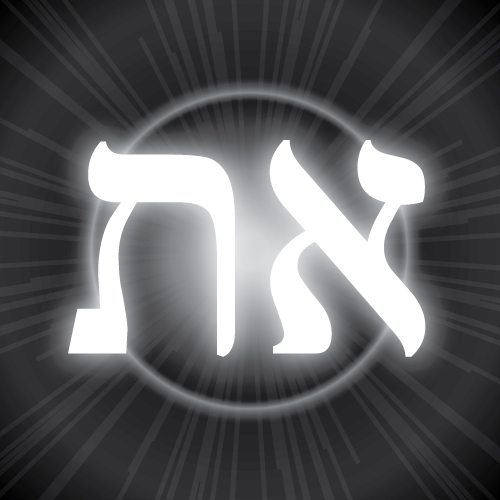 For this Torah portion, Patrick Shannon interprets the first verse of Genesis with the book of John to understand how the Hebrew word, “et,” spelled aleph-tav (alpha-omega) is “the Word” through which all was created, and shows how the Scriptures often use metaphors to reveal deeper meanings.
You can also view a PDF of slides while listening.
 In this 8th Day message after Sukkot, R. Paul Falk connects numerous passages from the Genesis to The Revelation that give us insight into what YHVH wants us to be learning by the Feast of Sukkot, not only for the season but for every day of our lives.
 R. Dennis Richards gives us a fresh look at the Eighth Day that follows the seven days of Sukkot, and ties in several concepts related to time and how we should view it.
 For the 1st day of the Festival of Sukkot (Tabernacles), R. Dennis Richards speaks about the benefits of Jewish tradition such as promoting unity among God’s people, and expands on the meanings of our various traditions in celebrating this joyous festival.
 In this foundational Yom Kippur message, R. Paul Falk explains the true meaning of atonement and answers several key questions like: What must we do to obtain atonement? What happens if we do not have it? How is fasting involved? Why is the command for no work and complete rest on Yom Kippur so important?