 Patrick Shannon shares a section of the Torah portion, Re’eh, in which the Israelite males are commanded to make a pilgrimage to Jerusalem 3 times a year, and reveals the answer to WHY for each of the three commanded feasts.
After clicking on the PLAY button below, click here to follow along with the slides.
 R. Paul Falk begins a series on Trees, revealing how they are used in the Scriptures to represent various people, and how Yeshua used the fig tree as a metaphor for Israel, as well as in other parables regarding fruitfulness.
 R. Dennis Richards answers questions about the Covenant of Salt mentioned only a few times in the Scriptures, but seemingly significant for eternity. Salt is also used as a metaphor by Yeshua to describe our role in bringing people to the Father.
 R. Paul Falk teaches on the meaning of the term “the Light” throughout the Scriptures. Many think that the Son of God is the Light based on New Testament references, but the term has much deeper meanings both past and present.
 R. Paul Falk starts with the example of how Melekzadek (or Melchizadek) who met Abraham is both a king and a priest and is also a model for the Messiah, and a number of other anointed king/priests in the Scriptures. He then shows how this pertains to us, today, as “a kingdom of priests.”
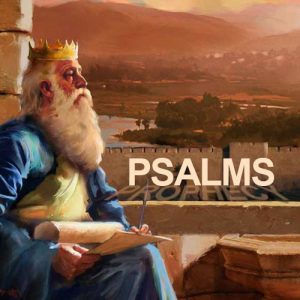 R. Dennis Richards makes a case for studying the Psalms to understand why the Messiah quoted them so often in his teachings, and in order to understand the writings of the apostles who quoted the Psalms dozens of times when referring to the Son of God.
 R. Paul Falk links the Torah portion, Devarim, to the temptations that the Messiah underwent in the wilderness showing why the tempter chose the tests he did based on certain Scriptures that he knew would be the most difficult to for the Son of God to resist.
 R. Paul Falk teaches on our progression from being children of Adam to becoming children of God, a primary purpose for the Messiah’s life, and death. The Scriptures outline the process from Genesis 1, to the Revelation, with the theme of adoption exemplified by Ephraim becoming the firstborn of Jacob.
 Patrick Shannon presents an in-depth look at Vows in the Scriptures, from the first appearance of the word, “vow” in the Torah, throughout the rest of the Scriptures. Some interesting points are repeated multiple times, and certain truths about vows, oaths, and promises should make us think seriously about almost everything we say.