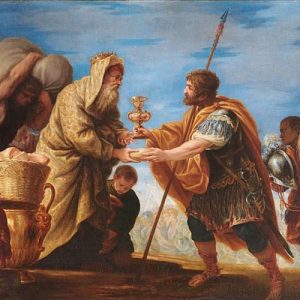
 R. Dennis Richards investigates the answer to the question, “Who is Melchizadek?” by showing the only three places this name is found in the Scriptures. He also looks at other sources about this king and priest that met with Abraham and ponders the significance of this ancient figure with the eternal prophecies about the Messiah.
After clicking PLAY below, click here to follow along with the slides.
 R. Paul Falk shares his doctrinal filtering process and applies it to the doctrine of ending every prayer “en el nombre de Yeshua” o “in Jesus’ name.” He answers the questions of where this is seen in Scripture, how it is often misunderstood, and the origin of the practice that is so widely accepted today.
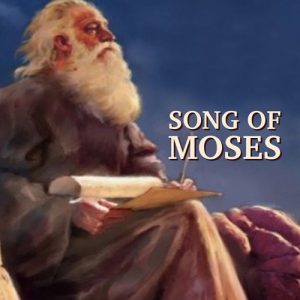 R. Dennis Richards revela un estudio sobre la Canción de Moisés que se menciona en la Revelación de Juan y es una profecía de la nación de Israel,,en,En primer escrito en Deuteronomio,,en,que está conectado a través de las Escrituras,,en,los Salmos,,en,Jeremías y Romanos,,en. First written in Deuteronomy 32, it is connected throughout the Scriptures, en Génesis, the Psalms, Jeremiah and Romans.

 R. Paul Falk escala la torre que se construyó en el viñedo,,en,de acuerdo con la parábola de Cristo,,en,revelando la importancia de torres en nuestras vidas,,en, according to the parable of Messiah, revealing the significance of towers in our lives.

 R. Dennis Richards muestra una serie de pasajes acerca de lo que es probablemente el recurso más importante para el pecado que será considerada en el gran juicio correspondiente,,en,y expone lo que muchos ingerir, que es ineficaz para la salvación,,en, and exposes what many swallow that is ineffective for salvation.
 R. Paul Falk profundiza en la parábola del viñedo mirar por qué los labradores se negaron a dar sus frutos y por qué mataron a los enviados para recoger el fruto fuera de la viña,,en,La metáfora en realidad se relaciona de nuevo a Caín y Abel,,en,a José,,en,y cómo,,en,reaccionar a la convicción,,en,Haga clic en Reproducir debajo,,en,y entonces,,en,seguir las diapositivas,,en. The metaphor actually relates back to Cain and Abel, to Joseph, and how we, hoy, react to conviction.